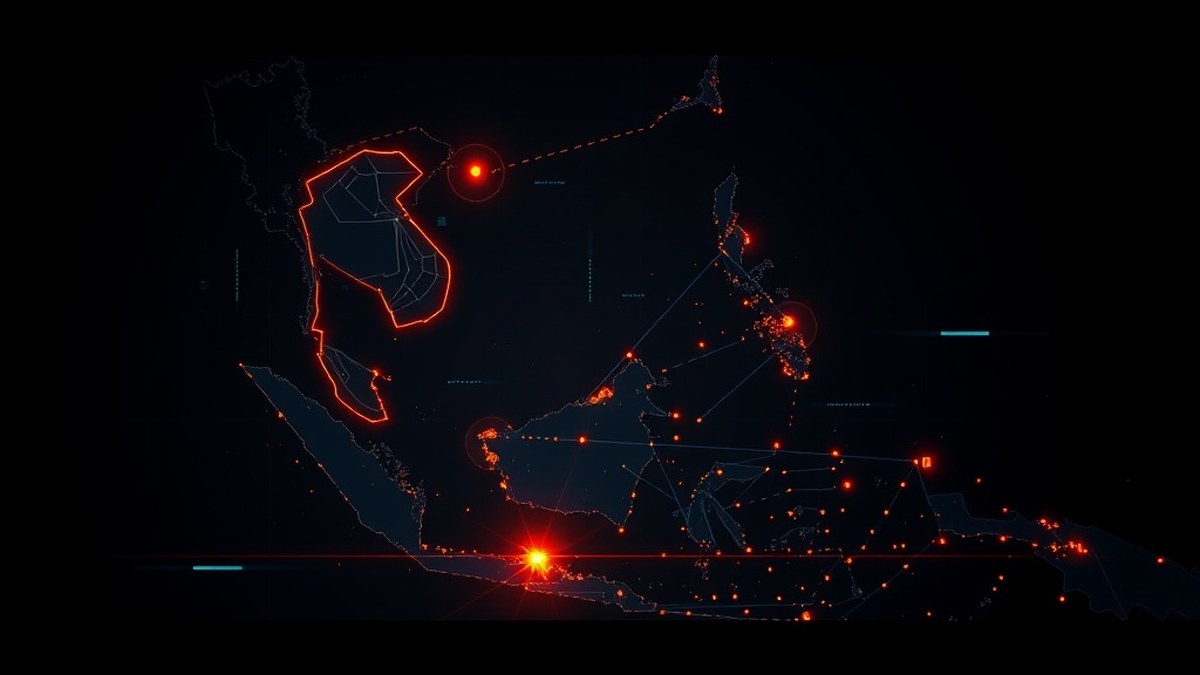
Sovereignty seen as potential challenge for AI adoption in ASEAN - ANTARA News
📊 Global South News: API Cost Benchmark
Global South Tech| Provider / API | Input / Output (1M tokens) | Quality |
|---|---|---|
| GLM-4 Flash (Zhipu) | $0.07 / $0.07 | Capable (B) |
| Llama-3-8B (Meta) | $0.15 / $0.15 | Capable (B) |
| DeepSeek-V3 | $0.14 / $0.28 | Excellent (A) |
| GPT-4o (OpenAI) | $5.00 / $15.00 | Frontier (S) |
The race to adopt artificial intelligence in Southeast Asia is hitting a major roadblock, and it is not about technology but about sovereignty. Countries in the ASEAN bloc are increasingly wary of handing over control of their data and digital infrastructure to foreign tech giants, especially as AI systems become more powerful.
This concern is particularly sharp when comparing the influence of the United States and China, the two dominant AI superpowers. Many ASEAN nations fear that relying on Chinese-made AI models like DeepSeek or Qwen could tie their digital economies too closely to Beijing’s strategic interests.
At the same time, Western alternatives from companies like OpenAI or Google come with their own set of political strings attached. This has pushed several ASEAN governments to explore building their own national AI frameworks, hoping to balance innovation with self-determination.
The challenge is that developing sovereign AI requires massive investments in local chips, data centers, and skilled talent, which most ASEAN members lack. Without this hardware backbone, even the best local AI software will run on foreign servers, undermining the very sovereignty they seek.
New discoveries in more efficient AI models, such as those from DeepSeek and Kimi, offer a glimmer of hope by reducing the need for expensive computing power. These advances could allow smaller ASEAN economies to deploy AI without being fully dependent on Western or Chinese cloud giants.
Ultimately, the path forward for ASEAN will be a delicate dance between embracing global AI breakthroughs and protecting national digital borders. The region’s ability to adopt AI without surrendering sovereignty will define its technological future for decades to come.